+91 78383 92593
Special Education
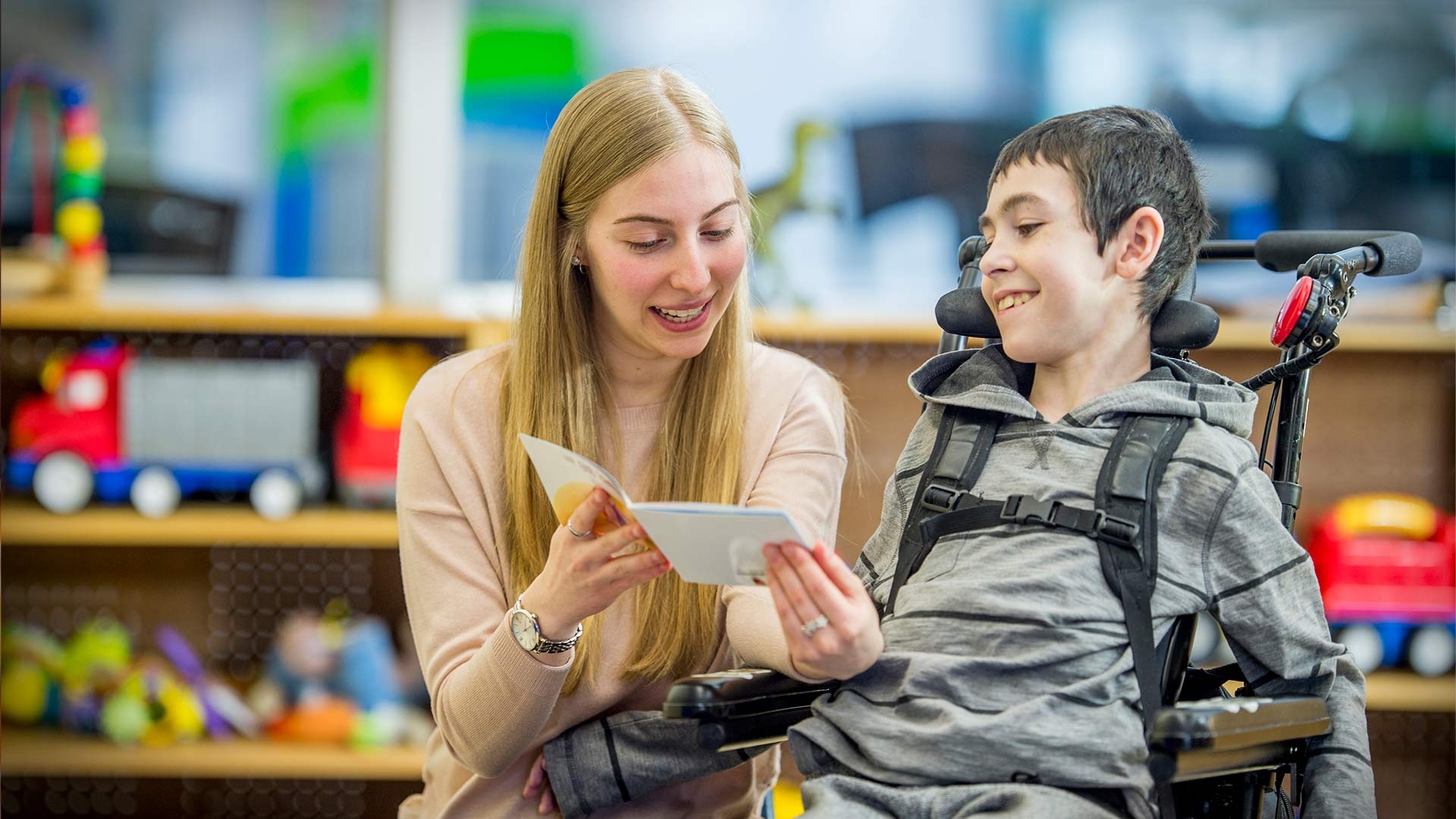
Special Education: Understanding and Treatment through Therapy
What is Special Education?
Special education is a tailored educational program designed to meet the unique needs of children with disabilities or learning challenges. Unlike traditional education, which follows a standard curriculum for all students, special education provides individualized teaching techniques, supports, and accommodations to help children overcome their specific learning difficulties. This type of education may be necessary for children with conditions such as Autism Spectrum Disorder (ASD), Attention Deficit Hyperactivity Disorder (ADHD), learning disabilities, intellectual disabilities, and physical disabilities.
Special education programs aim to provide students with the necessary tools and resources to thrive academically, socially, and emotionally, and to live as independently as possible in the community. The goal is not just academic success but also emotional and social development, providing each child the opportunity to grow to their fullest potential.
Why Do Children Need Special Education?
Children may need special education due to various reasons, often related to cognitive, developmental, or physical disabilities. Some common reasons why a child may require special education include:
Learning Disabilities:
Some children have difficulties with reading, writing, math, or processing information, which makes it harder for them to keep up with the regular classroom curriculum.Developmental Delays:
Children may have developmental delays in areas such as speech, motor skills, or social skills that impact their learning and behavior.Behavioral Disorders:
Children with ADHD, oppositional defiant disorder (ODD), or other behavioral issues may require specialized education to help them focus and regulate their behavior in the classroom setting.Autism Spectrum Disorder (ASD):
Children on the autism spectrum may face challenges in communication, social interactions, and behavior. Special education programs are designed to meet their unique needs.Physical Disabilities:
Children with physical disabilities (e.g., cerebral palsy or mobility issues) may need special accommodations to access the same learning opportunities as other students.
How Does Special Education Work?
Special education is not a one-size-fits-all solution. It is highly individualized and customized to meet the needs of each child. The process generally includes several stages, from assessment to intervention, ensuring that each child gets the support and resources they need. Here is an overview of how special education works:
1. Identification and Assessment
The first step in special education is identifying that a child is struggling with certain learning challenges or disabilities. Teachers, parents, or doctors may notice developmental delays or academic struggles and refer the child for an assessment. This assessment typically involves a team of professionals, including teachers, special education experts, psychologists, and speech-language pathologists, who evaluate the child’s cognitive, emotional, and physical abilities.
The Individualized Education Program (IEP) is created based on the results of this assessment. The IEP is a personalized plan that outlines the child’s specific needs, goals, and the methods that will be used to meet those goals. The plan is updated regularly to reflect the child’s progress and any changes in their needs.
2. Tailored Curriculum and Instruction
Once the child’s needs are identified, a tailored curriculum is created that best suits their learning style. For example:
Children with ADHD may need a more structured and organized approach, with frequent breaks and methods to help them focus.
Children with Autism Spectrum Disorder (ASD) may benefit from clear visual schedules, sensory-friendly environments, and social skills training.
Children with physical disabilities may need physical accommodations such as adaptive tools, modified lessons, and accessibility features.
The approach to instruction is typically more flexible, allowing children to learn at their own pace and in their own style. Specialized teaching techniques such as multisensory instruction, where students use multiple senses to learn (e.g., touch, sight, and sound), may also be used.
3. Therapeutic Interventions
In addition to tailored academic instruction, therapy plays a critical role in special education. Various types of therapy can help children address specific challenges they face in areas such as communication, motor skills, social interaction, and behavior.
Some key therapeutic interventions used in special education include:
Speech Therapy
Children with speech or language delays benefit from speech therapy. Therapists work with children on articulation, communication skills, social language, and improving the clarity of their speech. This is crucial for children with Autism Spectrum Disorder (ASD), speech delays, or language disorders, as effective communication is essential for both academic success and social interactions.
Occupational Therapy (OT)
Occupational therapists help children develop the skills necessary for daily activities, including handwriting, fine motor skills (e.g., buttoning clothes, using utensils), and self-care tasks (e.g., brushing teeth, tying shoes). OT can also address sensory processing challenges, helping children with hypersensitivity or hyposensitivity to sensory input (e.g., light, sound, touch).
Physical Therapy (PT)
Physical therapists work with children who have physical disabilities to improve mobility, strength, coordination, and balance. PT is crucial for children with conditions such as cerebral palsy, muscular dystrophy, or any physical disability that affects movement.
Behavioral Therapy
For children with behavioral challenges, such as those with ADHD or oppositional defiant disorder (ODD), behavioral therapy is often used. The therapist uses positive reinforcement techniques to encourage good behavior and help the child develop better emotional regulation skills. This type of therapy helps children understand cause and effect in terms of their actions and consequences.
Social Skills Training
Children with Autism Spectrum Disorder or social communication difficulties benefit from social skills training. This therapy helps children improve their ability to interact with others, understand social cues (e.g., body language, tone of voice), and develop appropriate responses in social situations.
4. Support Services and Accommodations
Special education doesn’t only address academic learning. It also ensures that children receive the necessary accommodations and support services to help them succeed in school.
Behavioral Support: Children with behavioral or emotional issues may have access to behavioral therapy and emotional support services.
Classroom Modifications: This includes using technology, offering extra time on assignments, or allowing children to work in a quieter, more focused environment.
Peer Support: Social interactions with peers are vital. Peer buddy programs or one-on-one support may be provided to help children integrate into the classroom community.
How Special Education Therapy Helps:
Special education therapy is a vital part of ensuring that children with disabilities or learning challenges receive the necessary support to thrive. Here’s how therapy helps:
1. Improved Academic Performance
By providing a tailored curriculum and one-on-one instruction, special education helps children keep up with academic expectations and even excel in areas where they previously struggled.
2. Enhanced Life Skills
Therapies like occupational and behavioral therapy help children develop daily life skills that are essential for independence, including social skills, self-care, and communication.
3. Increased Social Interaction
Social skills training and other interventions encourage children to interact with their peers, improve social relationships, and develop the confidence needed to navigate social situations.
4. Emotional and Behavioral Support
Special education therapies help children understand and manage their emotions, reduce anxiety, and improve behavior. These therapies foster positive emotional regulation and coping strategies.
5. Support for Families
Family members of children with special needs often benefit from guidance and training on how to provide ongoing support at home. Therapists collaborate with families to create consistent routines and strategies that extend beyond the classroom.
Conclusion
Special education therapy plays a critical role in the development of children with disabilities, helping them overcome barriers to learning, social interaction, and daily functioning. By providing personalized education plans, specialized therapeutic interventions, and supportive accommodations, children can achieve academic success, improve their life skills, and lead fulfilling, independent lives.
If your child or loved one is facing challenges in school or at home due to a disability or learning difficulty, special education therapy can provide the tools, support, and encouragement needed to make progress and unlock their full potential. Early intervention and the right therapy can make a world of difference in shaping a positive future.
We provide expert speech and occupational therapy to help children and adults improve communication, motor skills, and independence.
Useful Links
Subscribe Now
Don’t miss our future updates! Get Subscribed Today!
©2026. Growth Burner. All Rights Reserved.