+91 78383 92593
Oral Placement Therapy
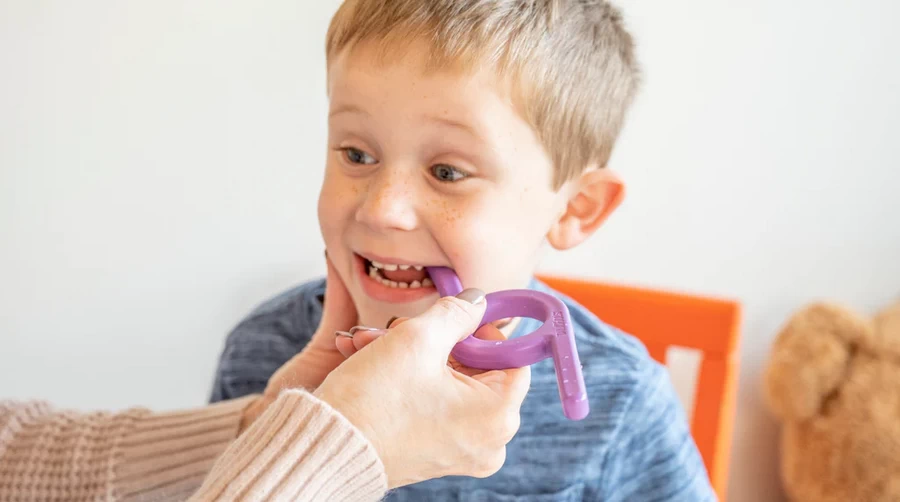
Oral Placement Therapy (OPT): Meaning, Causes, Symptoms, and Treatment Through Therapy
Communication is a vital part of daily life, and clear speech plays an important role in building confidence, relationships, and learning skills. Many children and adults face difficulties in speaking clearly due to poor oral muscle control, weak tongue movement, improper lip placement, or incorrect jaw coordination. These issues may lead to unclear pronunciation, slurred speech, drooling, feeding problems, or delayed speech development.
Oral Placement Therapy (OPT) is a specialized therapy technique designed to improve speech clarity by focusing on the correct placement and movement of oral structures such as the lips, tongue, jaw, and soft palate. It is commonly used in speech therapy programs for children with articulation disorders, motor speech disorders, developmental delays, autism, Down syndrome, cerebral palsy, and feeding-related issues.
What is Oral Placement Therapy (OPT)?
Oral Placement Therapy is a speech therapy method that uses oral-motor exercises and sensory stimulation techniques to help individuals learn correct mouth positioning for producing speech sounds.
In simple words, OPT teaches the child or patient:
How to move the tongue correctly
How to use lips properly
How to control jaw movement
How to improve muscle strength and coordination
How to produce sounds with proper articulation
OPT focuses on improving the foundation of speech production, meaning it strengthens the oral muscles and helps train the brain to control these muscles properly.
This therapy is usually conducted by a trained Speech-Language Pathologist (SLP) who designs activities according to the patient’s needs.
Why Do Speech Problems Happen? (Causes of Oral Placement Issues)
Oral placement difficulties can happen due to many developmental, neurological, or physical reasons. Below are the most common causes:
1. Weak Oral Muscles
Some children have weak lips, tongue, or jaw muscles. This makes it difficult to pronounce words clearly.
2. Poor Tongue Control
The tongue is the most important organ for speech. If tongue movement is limited or poorly controlled, speech becomes unclear.
3. Low Muscle Tone (Hypotonia)
Children with low muscle tone often struggle with speech clarity. This is common in conditions like Down syndrome.
4. Developmental Delay
Children with delayed development may not learn speech sounds at the right age due to slow motor planning and coordination.
5. Autism Spectrum Disorder (ASD)
Many children with autism face speech delays and difficulty in motor planning, which affects mouth placement.
6. Cerebral Palsy
Cerebral palsy affects muscle control and coordination, leading to speech and feeding issues.
7. Childhood Apraxia of Speech
Apraxia is a motor speech disorder where the brain struggles to plan and coordinate mouth movements, even though the muscles are normal.
8. Structural Issues
Some children have structural problems like cleft palate, tongue-tie, or dental issues, which affect sound production.
9. Feeding and Swallowing Difficulties
Children who face feeding issues often have weak oral motor control, which later affects speech development.
Common Signs That a Child Needs Oral Placement Therapy
Parents may notice the following symptoms in children:
Speech is unclear or difficult to understand
Difficulty pronouncing certain sounds like S, R, L, T, D, K, G
Drooling more than normal
Mouth stays open most of the time
Tongue sticks out while speaking
Difficulty chewing or swallowing
Weak lip closure while drinking from a straw or bottle
Delayed speech development
Slow speech learning compared to other children
Poor facial muscle control
Difficulty blowing, sucking, or making mouth movements
If these symptoms are present, OPT can be highly beneficial.
How Oral Placement Therapy Works
Oral Placement Therapy works by strengthening oral muscles and improving coordination of movements required for speech production. It uses a combination of exercises, tools, and sensory techniques.
The therapist helps the patient understand how to place the mouth correctly for producing sounds.
OPT works on three main areas:
1. Strength
Improves strength of lips, tongue, and jaw.
2. Coordination
Improves control and timing of movements.
3. Sensory Awareness
Helps the child feel and understand correct mouth placement.
Many children cannot understand where their tongue should go while producing a sound. OPT improves this awareness.
How Oral Placement Therapy Helps in Speech Improvement
OPT helps improve speech in many ways:
1. Better Pronunciation
The therapy improves the correct placement of tongue and lips, which helps in producing sounds properly.
For example:
Tongue placement for “T” and “D”
Lip closure for “P” and “B”
Tongue elevation for “L” and “R”
2. Improved Speech Clarity
Speech becomes more understandable as the child gains better muscle control.
3. Reduced Drooling
Children who drool due to weak lip muscles can benefit from OPT exercises that improve lip closure.
4. Better Feeding and Chewing Skills
OPT improves oral muscle strength which supports chewing and swallowing.
5. Increased Confidence
As the child begins speaking clearly, their confidence improves in school and social situations.
6. Helps Children with Apraxia
Children with motor planning problems learn how to coordinate mouth movements through repeated training.
Techniques Used in Oral Placement Therapy
Speech therapists use different techniques during OPT sessions depending on the child’s needs.
1. Tongue Exercises
These exercises improve tongue strength and movement, such as:
Tongue lifting
Side-to-side tongue movement
Tongue tapping
Tongue stretching
2. Lip Strengthening Activities
Lip control is important for sounds like M, P, B, W. Exercises include:
Lip closure practice
Straw drinking exercises
Blowing bubbles
Holding objects with lips
3. Jaw Stability Exercises
Jaw stability is important for clear articulation. Jaw exercises include:
Controlled chewing practice
Jaw opening and closing exercises
Bite-block exercises
4. Blowing and Sucking Activities
These improve breathing and oral muscle coordination:
Blowing whistles
Blowing cotton balls
Using horns or blow toys
Drinking thick liquids through a straw
5. Sensory Stimulation
Some children have low oral awareness. Therapists use:
Oral massage
Vibration tools
Textured tools for tongue stimulation
This helps the child feel correct placement.
6. Sound-Specific Placement Training
Therapists teach correct placement for each sound. Example:
“S” sound requires tongue behind teeth
“K” sound requires tongue back placement
How Long Does Oral Placement Therapy Take?
The duration of therapy depends on the severity of the problem and the child’s learning speed.
Mild cases may improve in 3 to 6 months
Moderate cases may require 6 to 12 months
Severe cases may require 1 year or more
Consistency is very important. Regular sessions and daily home practice provide faster results.
Home Practice in Oral Placement Therapy
Parents play a major role in success. Speech therapists usually provide home exercises such as:
Blowing bubbles daily
Straw drinking practice
Tongue exercises in front of a mirror
Chewing crunchy foods under supervision
Lip closure games
Repeating sound drills
When parents practice these exercises regularly at home, improvement becomes faster and more effective.
Who Can Benefit From Oral Placement Therapy?
OPT is beneficial for:
Children with speech delay
Children with unclear pronunciation
Children with autism
Children with Down syndrome
Children with cerebral palsy
Children with apraxia of speech
Adults after stroke or neurological injury
Individuals with feeding and swallowing problems
Conclusion
Oral Placement Therapy is a highly effective speech therapy approach designed to improve speech clarity by strengthening and training the mouth muscles. Many speech problems occur due to weak tongue, lips, or jaw control, motor planning difficulties, developmental delays, or neurological conditions. OPT focuses on building the foundation of speech production by improving oral strength, coordination, and placement.
With regular therapy sessions and consistent home practice, children can improve pronunciation, speech clarity, feeding abilities, and overall confidence. Oral Placement Therapy plays an important role in helping children communicate better, perform well in school, and develop strong social skills.
We provide expert speech and occupational therapy to help children and adults improve communication, motor skills, and independence.
Useful Links
Subscribe Now
Don’t miss our future updates! Get Subscribed Today!
©2026. Growth Burner. All Rights Reserved.